Kruger National Park, situated in the northeastern part of South Africa, is a true marvel of nature, boasting an incredible array of wildlife that roams freely within its vast boundaries. As one of Africa’s largest game reserves, Kruger is home to an astonishing diversity of creatures, from the majestic big cats to the humblest of insects. The park’s unparalleled richness of fauna has earned it a reputation as a wildlife enthusiast’s paradise, attracting visitors from all corners of the globe. With its unique blend of grasslands, woodlands, and wetlands, Kruger provides a habitat for over 147 species of mammals, 507 species of birds, and 114 species of reptiles, making it a truly awe-inspiring destination for anyone interested in exploring the natural world.
The Big Five: Kruger’s Most Iconic Inhabitants
At the heart of Kruger’s wildlife offerings are the Big Five: lion, leopard, rhinoceros, elephant, and Cape buffalo. These five animals have become synonymous with the African safari experience and are a major draw for visitors to the park. The lion, often referred to as the king of the savannah, is a common sight in Kruger, with over 1,500 individuals roaming the park’s grasslands and woodlands. The leopard, on the other hand, is a more elusive creature, but its elegant appearance and stealthy nature make it a prized sighting for many visitors. The rhinoceros, with its distinctive horn and imposing size, is another iconic inhabitant of Kruger, while the elephant, with its complex social structures and intelligent nature, is a fascinating creature to observe. Rounding out the Big Five is the Cape buffalo, a formidable and powerful animal that is not to be underestimated.
Other Mammals: A Diverse and Thriving Population
Beyond the Big Five, Kruger is home to a staggering array of other mammals, including antelopes, giraffes, hippopotamuses, and hyenas. The park’s antelope population is particularly diverse, with over 20 different species represented, including the impala, kudu, and nyala. Giraffes, with their distinctive long necks and legs, are a common sight in Kruger, feeding on the leaves of the park’s many acacia trees. Hippopotamuses, despite their seemingly docile nature, are responsible for more human deaths in Africa than any other large animal, and are a reminder of the wild and unpredictable nature of Kruger’s inhabitants. Hyenas, often misunderstood as scavengers, are in fact skilled hunters and play a vital role in the park’s ecosystem.
Birdlife: A Rainbow of Colors and Sounds
Kruger’s birdlife is a true marvel, with over 500 species of birds calling the park home. From the majestic eagles and vultures to the tiny sunbirds and waxbills, the park’s avifauna is a kaleidoscope of colors and sounds. The lilac-breasted roller, with its vibrant plumage and acrobatic flight, is a particular favorite among birdwatchers, while the giant eagle owl, with its piercing gaze and soft hooting call, is a reminder of the park’s wild and mysterious nature. The park’s wetlands and rivers are home to a wide variety of waterbirds, including herons, egrets, and storks, which can be seen wading through the shallows in search of fish and other aquatic prey.
Reptiles and Amphibians: The Often-Overlooked Inhabitants
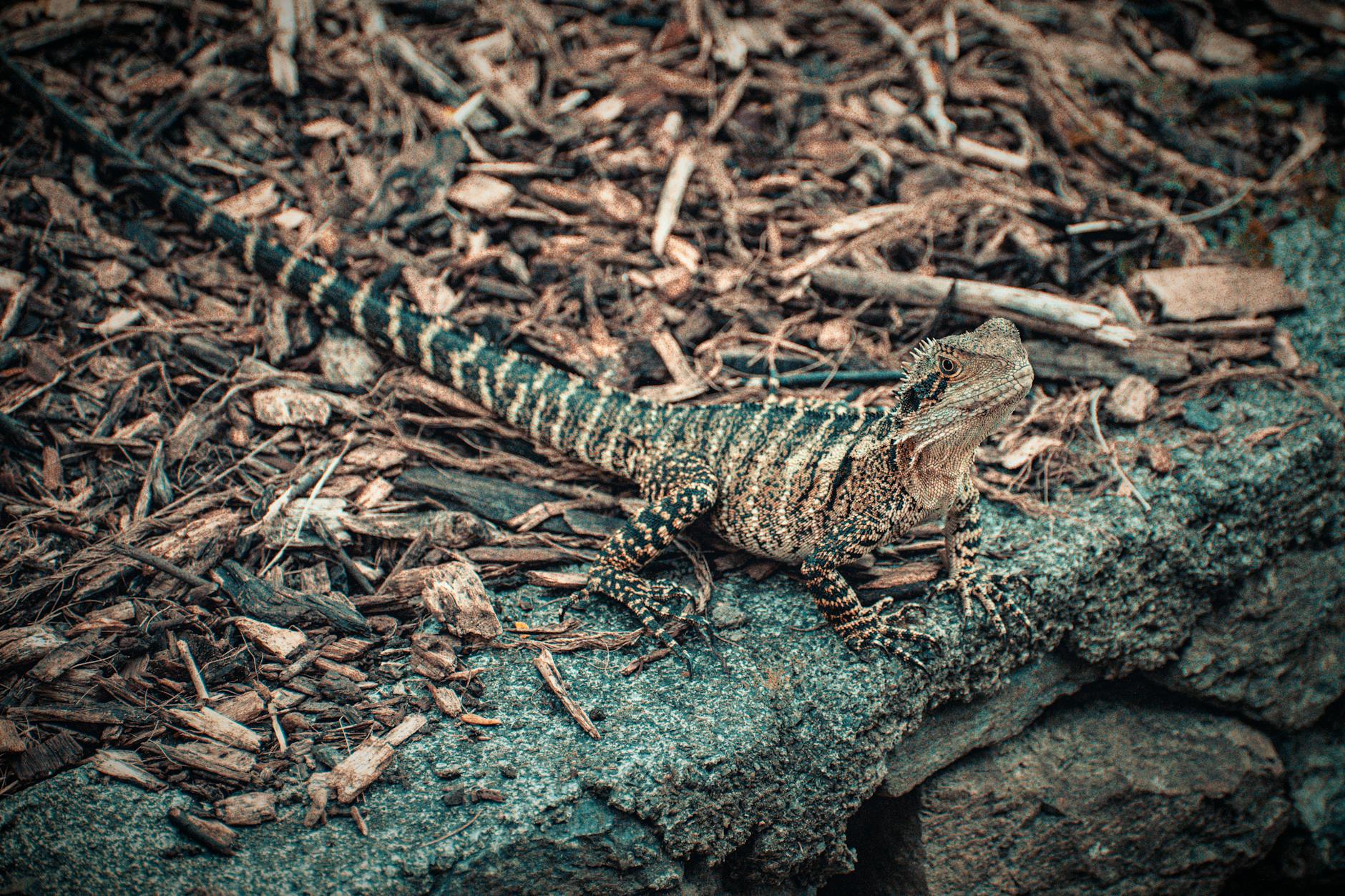
While mammals and birds often take center stage in Kruger, the park’s reptiles and amphibians are no less fascinating. The park is home to over 100 species of reptiles, including snakes, lizards, and tortoises, as well as a wide variety of frogs and toads. The Nile crocodile, with its powerful jaws and ancient lineage, is a reminder of the park’s primordial past, while the green mamba, with its agile body and deadly venom, is a snake to be reckoned with. The park’s many species of lizards, including the colorful agama and the giant monitor, are a delight to observe, while the slow-moving tortoises, with their wise and ancient eyes, are a reminder of the park’s enduring natural beauty.
Conservation Efforts: Protecting Kruger’s Precious Wildlife
As one of Africa’s most important wildlife reserves, Kruger is at the forefront of conservation efforts in the region. The park’s management team, in conjunction with the South African National Parks (SANParks) organization, works tirelessly to protect the park’s precious wildlife and habitats. From anti-poaching initiatives to habitat restoration projects, the park’s conservation efforts are designed to ensure the long-term sustainability of Kruger’s ecosystem. Visitors to the park can play a vital role in supporting these efforts, by respecting the park’s rules and regulations, and by reporting any suspicious activity to the park’s authorities.
Reference: read more info here
As the sun sets over Kruger National Park, the animals begin to stir, and the park comes alive with the sounds of the African wilderness. The roar of the lion, the chatter of the birds, and the rustle of the leaves all combine to create an unforgettable experience, one that will leave even the most seasoned traveler in awe of the natural beauty and diversity of this incredible wildlife hotspot. Whether you’re a seasoned safari-goer or just starting to explore the wonders of the African wilderness, Kruger National Park is a destination that is sure to leave you breathless and inspired, with its jaw-dropping creatures and unparalleled natural beauty.


