Diurnal animals, or daytime dynamos, have long fascinated humans with their remarkable adaptations that enable them to thrive in the sunlit world. These creatures have evolved to dominate the daylight hours, and their secrets are nothing short of astounding. From the majestic lions of the savannah to the tiny, iridescent birds of the tropical rainforests, diurnal animals have developed an array of incredible strategies to survive and flourish in the face of intense sunlight and fierce competition.
The Amazing World of Diurnal Animals
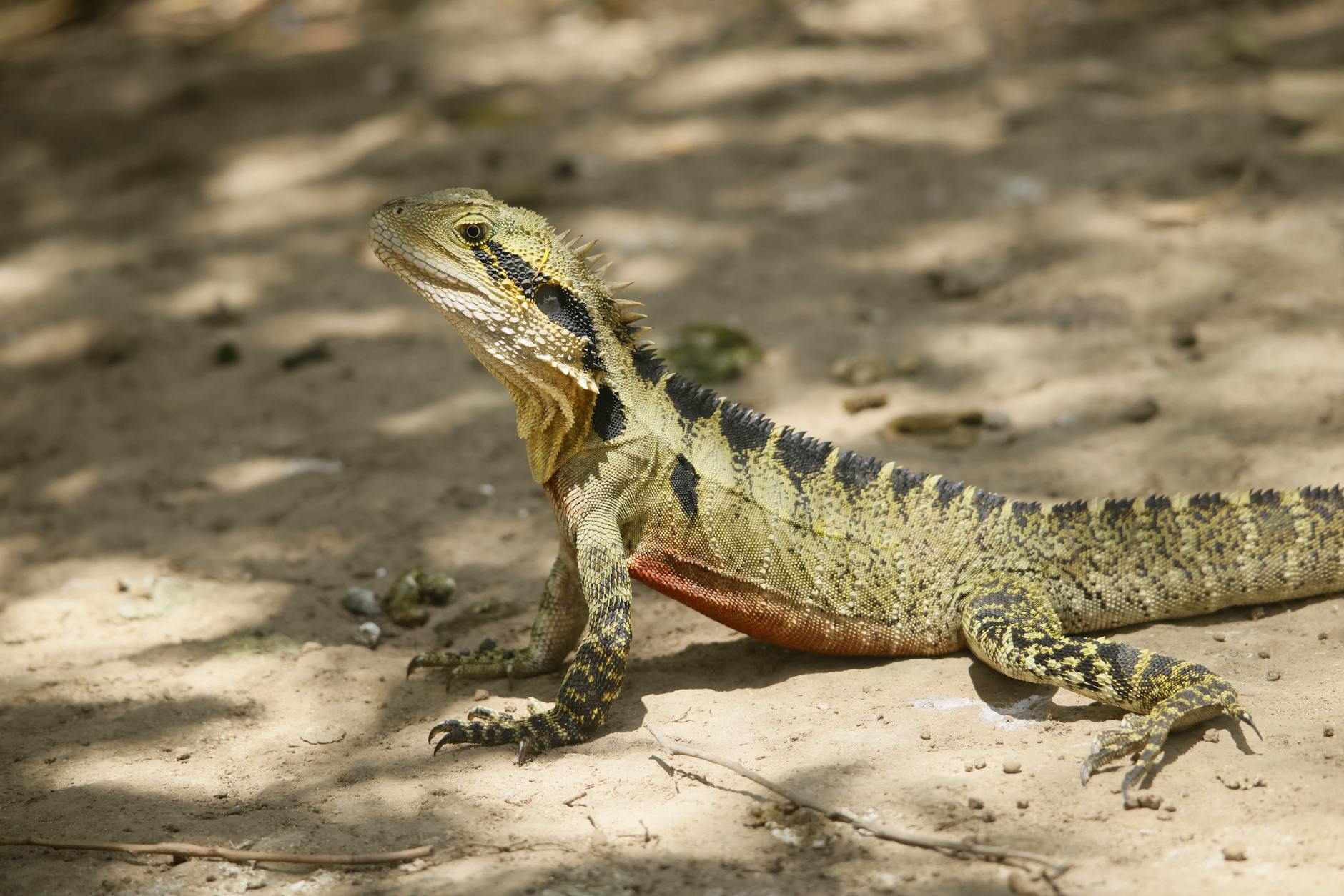
One of the most striking features of diurnal animals is their ability to regulate their body temperature in the face of scorching heat. Many species, such as desert-dwelling lizards and snakes, have evolved specialized thermoregulatory mechanisms that allow them to maintain a stable body temperature, even when the sun is beating down relentlessly. This is achieved through a range of adaptations, including highly efficient evaporative cooling systems, specialized circulatory systems, and even behavioral adaptations such as seeking shade or burrowing underground.
Another remarkable adaptation of diurnal animals is their exceptional visual acuity. Many species, such as birds of prey and primates, possess eyes that are capable of detecting even the slightest movements and changes in their surroundings. This is made possible by the presence of highly sensitive photoreceptors, advanced optical systems, and sophisticated brain processing mechanisms that allow them to interpret and respond to visual information in real-time. The result is a level of visual awareness that is unparalleled in the animal kingdom, and which enables diurnal animals to detect and respond to potential threats or opportunities with lightning speed and precision.
The Secret Lives of Diurnal Animals
Despite their dominance of the daylight hours, diurnal animals often lead secret lives that are hidden from human observation. Many species, such as deer and antelope, are crepuscular, meaning that they are most active during the twilight hours of dawn and dusk. This allows them to avoid the intense heat and competition of the mid-day sun, while still taking advantage of the abundant food and resources that are available during these times. Other species, such as monkeys and apes, are highly social and lead complex lives that are filled with intrigue, politics, and drama. These animals have evolved sophisticated communication systems, including vocalizations, gestures, and even facial expressions, which allow them to navigate their social hierarchies and maintain relationships with other group members.
Diurnal animals have also developed an array of fascinating mating and courtship rituals, which are often designed to showcase their impressive physical and behavioral traits. Many species, such as birds and reptiles, engage in elaborate displays of plumage, coloration, and movement, which serve to attract potential mates and deter rivals. Other species, such as mammals and fish, have evolved complex systems of chemical signaling, which allow them to convey information about their reproductive status, dominance, and genetic quality. These signaling systems are often highly specific and can be used to convey a wide range of information, from the presence of a potential mate to the quality of a potential breeding site.
The Importance of Diurnal Animals in Ecosystems
Diurnal animals play a vital role in maintaining the balance and diversity of ecosystems around the world. As predators, they help to regulate the populations of other species, preventing any one species from dominating the environment and maintaining the delicate balance of the food chain. As prey, they provide a source of energy and nutrients for other animals, supporting the complex web of relationships that underlies every ecosystem. Diurnal animals also play a crucial role in seed dispersal, pollination, and nutrient cycling, helping to maintain the health and fertility of the soil and supporting the growth and development of plants.
In addition to their ecological importance, diurnal animals have also had a profound impact on human culture and society. Many species, such as dogs and horses, have been domesticated and have become integral parts of human life, providing companionship, transportation, and labor. Other species, such as birds and monkeys, have been the subject of extensive scientific study, providing insights into the evolution of behavior, cognition, and social complexity. Diurnal animals have also inspired countless works of art, literature, and music, reflecting their beauty, majesty, and fascination to the human imagination.
Reference: read more info here
Conservation and Threats to Diurnal Animals
Despite their importance and fascination, diurnal animals are facing numerous threats to their survival and well-being. Habitat destruction, fragmentation, and degradation are major concerns, as they reduce the availability of food, shelter, and breeding sites for many species. Climate change is also having a significant impact, altering the distribution and abundance of prey species, disrupting migratory patterns, and changing the timing of seasonal events. Pollution, hunting, and poaching are additional threats, which can have devastating effects on diurnal animal populations and ecosystems.
To address these threats, conservation efforts are underway to protect and preserve diurnal animal populations and habitats. National parks and protected areas are being established, providing a safe haven for many species to live and thrive. Research programs are also being conducted to study the ecology, behavior, and conservation biology of diurnal animals, providing insights into their needs and requirements. Education and outreach initiatives are also being implemented, raising awareness about the importance of diurnal animals and the threats they face, and promoting actions to conserve and protect these incredible creatures.