Brazil, the largest country in both South America and the Latin American region, is home to a diverse array of flora and fauna. With its unique combination of tropical and subtropical climates, the country provides a habitat for a wide range of fascinating creatures. From the Amazon rainforest to the Pantanal wetlands, Brazil’s varied landscapes are inhabited by an incredible variety of animals, many of which are found nowhere else on Earth. In this vast and vibrant country, you can find everything from majestic jaguars to tiny, iridescent frogs, each playing a vital role in the ecosystem.
Amazonian Giants: The Largest Rodents and Water Creatures
Deep within the Amazon rainforest, there exist creatures of enormous size that are often overlooked due to their elusive nature. The capybara, for instance, is the world’s largest rodent, reaching lengths of up to 130 cm and weighing up to 66 kg. Despite their size, capybaras are excellent swimmers and can be found in dense vegetation near bodies of water. Another gigantic creature found in Brazil’s freshwater habitats is the arapaima, one of the largest freshwater fish in the world. The arapaima can grow up to 3 meters in length and weigh up to 200 kg, making it a formidable sight in the Amazonian waters.
The anaconda, a massive snake found in the wetlands of Brazil, is another example of the country’s incredible fauna. Anacondas are among the heaviest snakes on the planet, with some specimens reaching up to 7 meters in length and weighing over 200 kg. These stealthy creatures are expert hunters, using their immense size and powerful coils to ambush unsuspecting prey in the dense rainforest. The discovery of such enormous animals highlights the awe-inspiring biodiversity of Brazil and underscores the importance of preserving these unique ecosystems.
Colorful Marvels: The Vibrant Birds and Reptiles of Brazil
Brazil is renowned for its kaleidoscope of bird species, with over 1,800 different types documented within its borders. Among the most striking are the macaws, known for their bright plumage and distinctive squawks. These colorful birds can be found in the lush canopies of the rainforest, where they feed on fruits, seeds, and nuts. The hyacinth macaw, with its vibrant blue feathers, is a prime example of Brazil’s breathtaking avian diversity. Other notable bird species include the toucans, with their oversized, colorful beaks, and the hummingbirds, which flit about the forest, their iridescent feathers glimmering in the sunlight.
Read Also: The history and significance of native animals in indigenous cultures
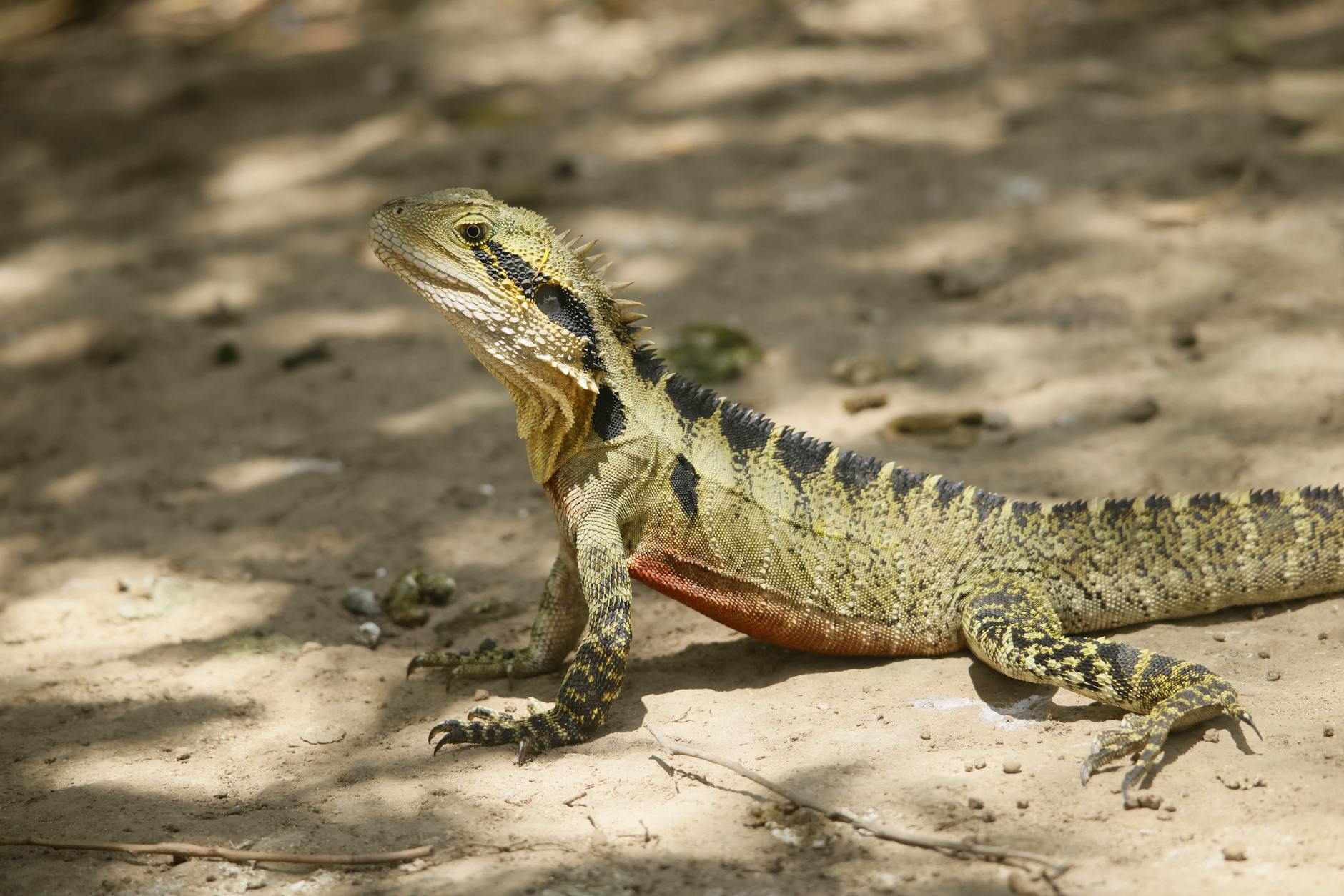
Brazil is also home to a wide variety of reptiles, many of which are equally as fascinating as the country’s birdlife. The boa constrictor, a snake known for its powerful coils and stealthy nature, is a common sight in the rainforest. The green iguana, with its spiky scales and vibrant green color, is another reptile that calls Brazil home. These incredible creatures play a vital role in maintaining the balance of the ecosystem, serving as both predators and prey in the complex web of life that exists within Brazil’s diverse landscapes.
Marine Wonders: The Incredible Sea Life of Brazil’s Coastlines
Brazil’s extensive coastline, stretching over 7,000 km, is home to a staggering array of marine life. The country’s coral reefs, found off the coast of the northeastern states, are particularly notable for their diversity of species. Sea turtles, dolphins, and whales can all be found in Brazil’s coastal waters, along with a vast array of fish species, including the colorful parrotfish and the majestic grouper. The discovery of new species in these waters is not uncommon, highlighting the vast and largely unexplored nature of Brazil’s marine ecosystems.
The humpback whales that migrate to Brazil’s coastlines each year are a major attraction for tourists and scientists alike. These incredible creatures can be seen breaching and slapping their tails in a spectacular display of aquatic acrobatics. The sea turtles, which nest on Brazil’s beaches, are another important part of the country’s marine ecosystem. Conservation efforts are underway to protect these incredible creatures and their habitats, ensuring the long-term health of Brazil’s coastal ecosystems.
Pantanal Pioneers: The Unique Fauna of the World’s Largest Wetlands
The Pantanal, located in western Brazil, is the world’s largest tropical wetland area, covering over 140,000 square kilometers. This unique ecosystem is home to an incredible variety of animals, many of which are found nowhere else on Earth. The jaguar, the largest cat in the Americas, roams the Pantanal, preying on capybaras, peccaries, and other small mammals. The caiman, a small alligatorid, is another common sight in the Pantanal, where it feeds on fish and other aquatic prey.
Reference: read more info here
The Pantanal is also home to a wide variety of bird species, including the roseate spoonbill, the toucan, and the macaw. These colorful birds can be seen flying overhead or perched in the trees, adding to the vibrant tapestry of life that exists within the wetlands. The tapir, a large, herbivorous mammal, is another notable inhabitant of the Pantanal, using its distinctive snout to feed on leaves and fruits. The discovery of such unique and fascinating creatures highlights the importance of preserving the Pantanal and its incredible array of fauna.
Brazil’s diverse landscapes and ecosystems are home to a staggering array of animal species, each playing a vital role in the complex web of life that exists within the country. From the majestic jaguars of the Pantanal to the colorful macaws of the Amazon, Brazil’s fauna is a true marvel of nature. As scientists and conservationists continue to explore and protect these unique ecosystems, new and exciting discoveries are being made, highlighting the incredible diversity and complexity of life in Brazil.

