The world’s animal populations are undergoing a significant transformation, and the consequences are far-reaching. The delicate balance of ecosystems is being disrupted, leading to a ripple effect that resonates throughout the planet. As humans, we have a profound impact on the environment, and our actions are altering the dynamics of animal populations in unprecedented ways. From deforestation to climate change, the factors influencing animal populations are complex and multifaceted. The statistics are alarming, and it is essential to understand the scope of the issue to mitigate its effects.
Declining Biodiversity: A Threat to Ecosystems
The decline in animal populations is a stark reminder of the devastating consequences of human activities on the environment. According to the Intergovernmental Science-Policy Platform on Biodiversity and Ecosystem Services (IPBES), approximately one million species are facing extinction, including 40% of amphibian species, 33% of reef-building corals, and 30% of coniferous trees. The loss of biodiversity has severe implications for ecosystems, as it compromises their resilience and ability to adapt to changing conditions. The consequences of declining biodiversity are far-reaching, from reduced crop yields to increased vulnerability to natural disasters.
The main drivers of biodiversity loss are habitat destruction, overexploitation, climate change, pollution, and invasive species. Deforestation, for instance, has led to the destruction of habitats, leaving countless species without a home. The Amazon rainforest, often referred to as the “lungs of the Earth,” has been ravaged by deforestation, with an estimated 17% of the forest lost in the past 50 years. This not only harms the animals that inhabit the forest but also contributes to climate change, as trees play a crucial role in absorbing carbon dioxide.
Climate Change: A Major Threat to Animal Populations
Climate change is another significant factor affecting animal populations. Rising temperatures, changing precipitation patterns, and increased frequency of extreme weather events are altering the delicate balance of ecosystems. Many species are struggling to adapt to these changes, leading to population declines and even extinctions. Polar bears, for example, are facing a significant threat due to the melting of sea ice, which is essential for their hunting and breeding habits. The consequences of climate change are not limited to polar regions; it is a global issue that affects animal populations in every corner of the world.
Read Also: A guide to identifying native birds in the United Kingdom
The impact of climate change on animal populations is multifaceted. Changes in temperature and precipitation patterns alter the distribution and abundance of food resources, making it challenging for animals to survive. Furthermore, climate change facilitates the spread of diseases, which can have devastating effects on animal populations. The spread of disease can be rapid, and it can have significant consequences for species that are already vulnerable due to habitat loss or other human activities.
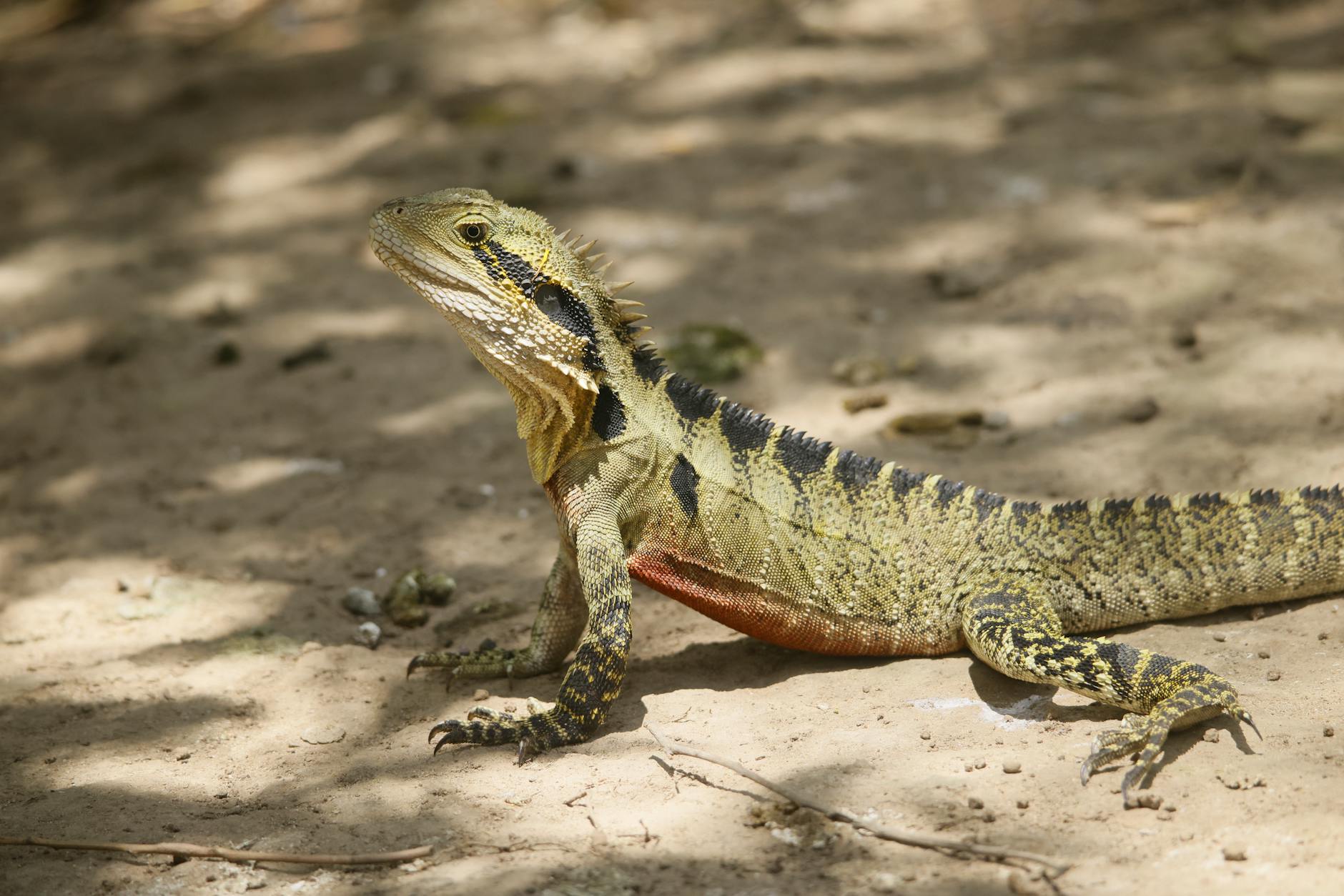
Human Activities: The Main Driver of Population Decline
Human activities are the primary driver of population decline in animal species. The expansion of agricultural land, urbanization, and infrastructure development have led to habitat destruction and fragmentation, leaving animals without a home. The use of pesticides and other chemicals in agriculture has also had a devastating impact on animal populations, as these substances can accumulate in the food chain and cause harm to animals. Furthermore, overfishing and overhunting have depleted many species, pushing them to the brink of extinction.
The role of human activities in population decline is not limited to direct harm; it also includes indirect effects, such as pollution and climate change. The release of greenhouse gases, for instance, contributes to climate change, which, in turn, affects animal populations. The production and disposal of plastic waste also harm animals, as they can become entangled in plastic debris or ingest it, causing physical harm and even death.
Conservation Efforts: A Beacon of Hope
Despite the alarming statistics, there is hope for the future of animal populations. Conservation efforts are underway to protect and preserve species, and these initiatives have shown promising results. The establishment of protected areas, such as national parks and wildlife reserves, provides a safe haven for animals to thrive. Additionally, conservation organizations are working tirelessly to rehabilitate injured animals, monitor populations, and educate the public about the importance of conservation.
Reference: read more info here
Community-based conservation initiatives have also been successful in engaging local communities in conservation efforts. By providing economic benefits and promoting sustainable livelihoods, these initiatives encourage people to protect and conserve animal populations. The role of technology in conservation cannot be overstated, as it provides valuable tools for monitoring populations, tracking animal movements, and identifying areas of high conservation value.
The fight to protect animal populations is a collective responsibility, and every individual can make a difference. By making conscious choices, such as reducing meat consumption, using public transport, and supporting conservation organizations, we can contribute to the conservation of animal populations. The shocking truth about animal populations is a call to action, and it is essential to respond to this call to ensure the long-term survival of species and the health of our planet.


